
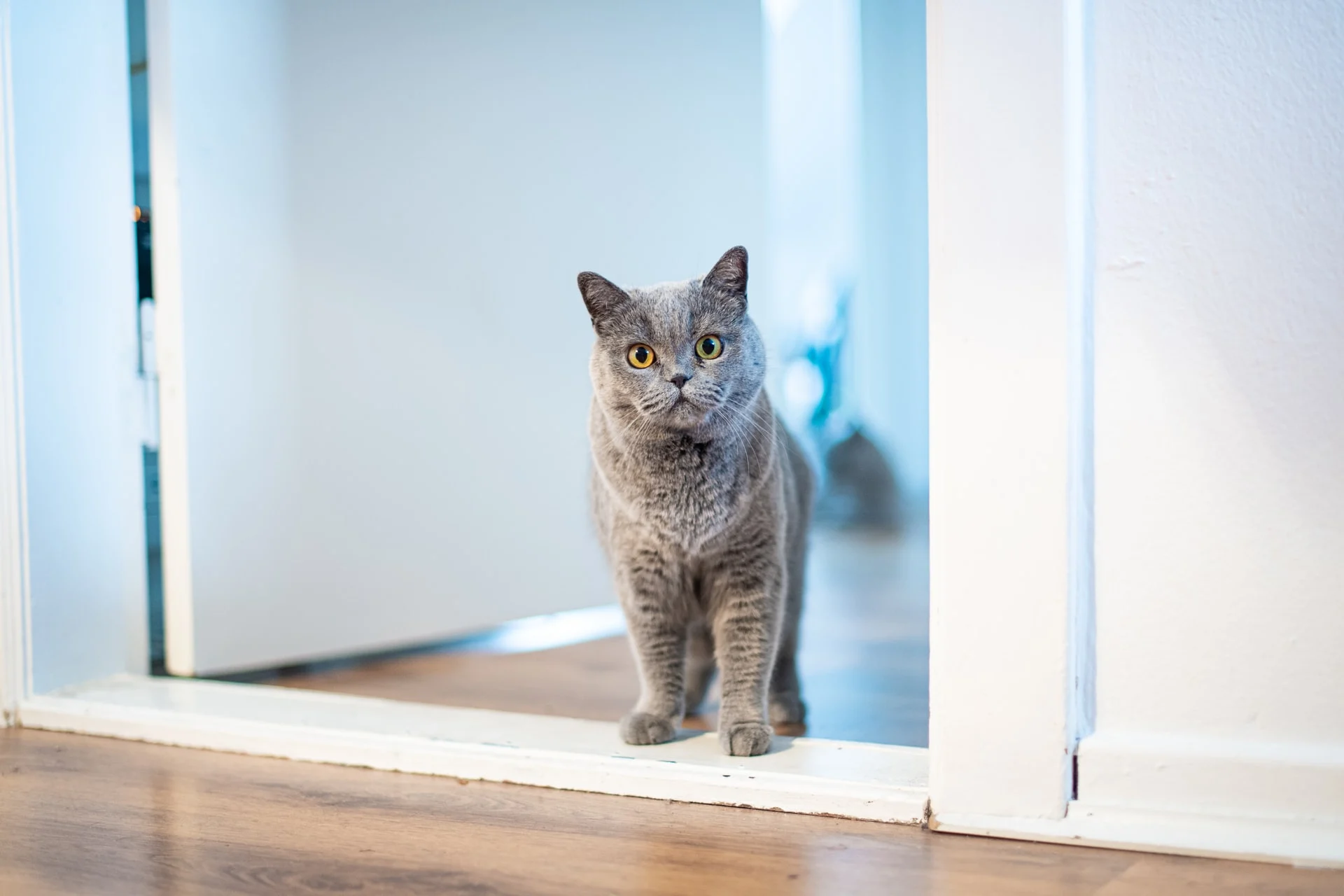
Helping your cat thrive from kitten to senior years
At Sun Surf Veterinary Hospital, we believe the best life for your cat starts with knowing how to care for your feline friend properly. Cats have different needs at every age, and our Huntington Beach veterinary team is made up of cat lovers and cat owners who are glad to share what we know.
Request an AppointmentThe Basics of Good Cat Care
From the kitten stage through the senior years, a few key habits keep cats healthy and happy. Here are the basics we talk about most often with our clients.
Feed a Diet That Fits Your Cat’s Age
Diet is one of the most important parts of good cat care. Kittens need kitten food to support their growth, while adult cats do best on food formulated for their life stage. We recommend a premium diet and plenty of fresh water at all times. If you are unsure which food is right for your cat, our nutrition counseling can help you choose.
Keep Your Cat at a Healthy Weight
Cats tend to get a little chunky after they have been spayed or neutered. Lots of daily playtime helps burn calories, keeps joints and muscles active, and keeps your cat at a healthy weight. Try:
- Interactive toys such as wand toys and puzzle feeders
- Short play sessions a few times each day
- Climbing trees and perches to encourage movement
- Measured meals rather than constant free feeding
Schedule Routine Veterinary Exams
Excellent veterinary care is vital. We recommend routine examinations so we can monitor your cat’s overall health and catch small changes early. At your visits we will discuss yearly vaccinations, preventative care and parasite control, and what your cat needs at their current age. Cats are good at hiding discomfort, so regular checkups matter even when your cat seems perfectly fine.
Protect Your Cat’s Dental Health
Cats tend to develop dental disease, and it often goes unnoticed until it becomes painful. At each exam we check your cat’s teeth and gums and make sure their oral health is on the right track. Bad breath, drooling, or dropping food can all be signs that your cat needs a dental evaluation.
Provide a Safe, Enriching Home
A clean litter box, a quiet place to rest, scratching posts, and regular attention all support your cat’s well-being. Indoor cats in particular benefit from window perches, toys that change often, and daily one-on-one time with their people.
Know When Something Is Wrong
Call us if you notice changes in appetite, drinking, litter box habits, energy level, or behavior. Early attention often makes treatment easier and gives your cat the best outcome.
Cat Care Questions We Hear Often
What should I feed my cat?
Kittens should eat kitten food, and adult cats should eat a food formulated for their age. We recommend a premium diet and fresh water at all times. Our team can help you choose a food that fits your cat’s age, weight, and health needs.
How often should my cat see the veterinarian?
We recommend routine examinations so we can monitor your cat’s overall health. Most healthy adult cats are seen at least once a year, while kittens and senior cats may need more frequent visits. We will tell you what schedule makes sense for your cat.
Why does my cat gain weight after being spayed or neutered?
Cats tend to get a little chunky after they have been spayed or neutered because their energy needs often change. Measured portions and lots of daily playtime help keep them at a healthy weight.
Which vaccinations does my cat need?
Cats need vaccinations on a regular schedule, and we review yearly vaccinations and preventative care at each visit. The right plan depends on your cat’s age, health, and whether they go outdoors.
How do I know if my cat has dental disease?
Common signs include bad breath, red or swollen gums, drooling, and trouble eating. Cats tend to develop dental disease, so we check their teeth at exams and let you know if a dental cleaning or other treatment is recommended.
How can I keep my indoor cat active?
Daily play with wand toys, puzzle feeders, climbing trees, and window perches keeps indoor cats moving and mentally engaged. Short play sessions several times a day work well for most cats.
When should I call the vet about my cat?
Contact us if you notice changes in eating, drinking, litter box habits, energy, or behavior. Cats often hide illness, so it is best to call early rather than wait.
Questions About Caring for Your Cat?
Our Huntington Beach team is happy to help. Call us today at (562) 592 - 1391 or schedule a visit to talk about your cat’s health.